





Jews Are Magic: Occult Practices from Palmistry to Professional Psychics
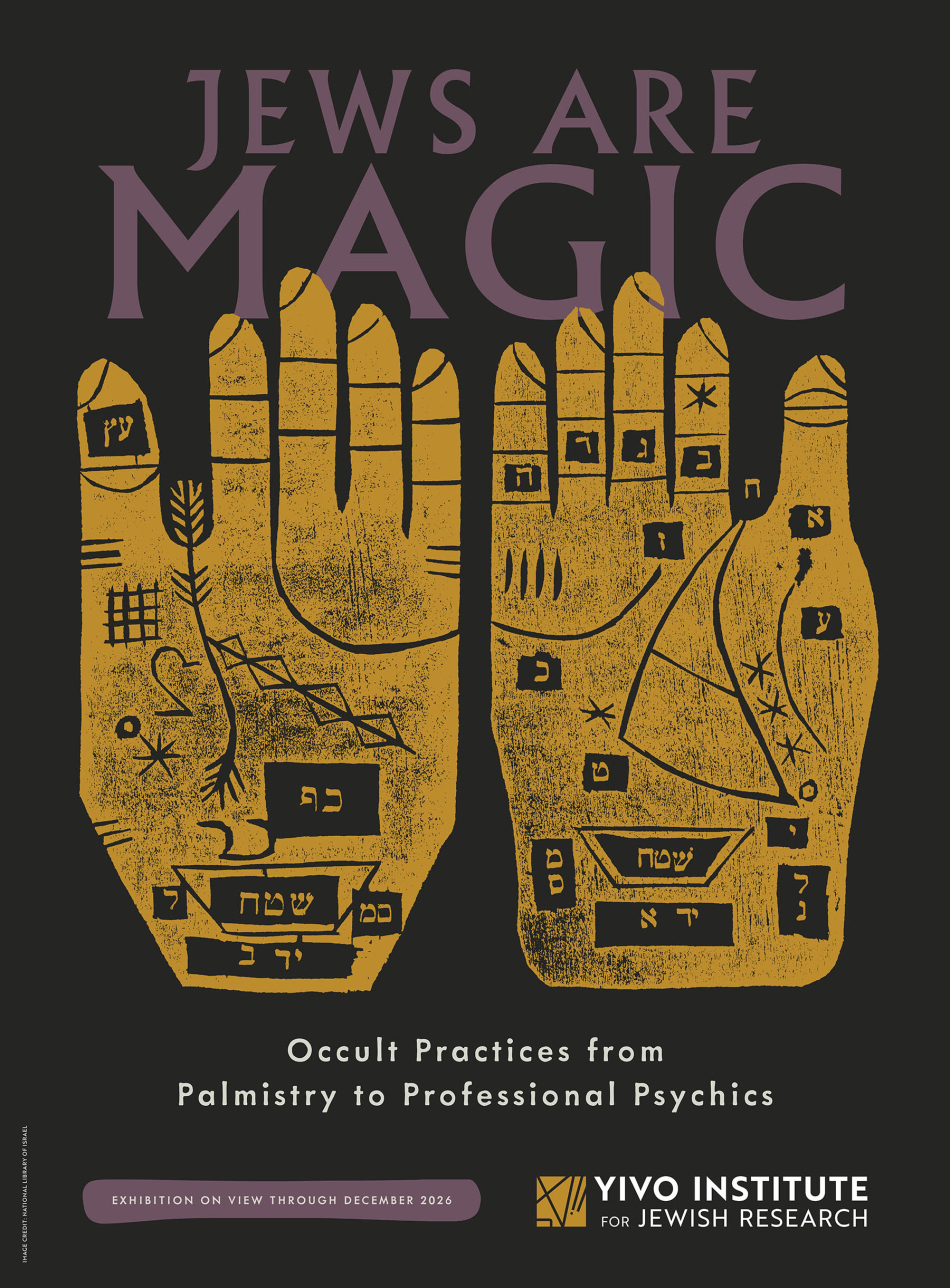
On view May 26 – December 31, 2026
Located at the YIVO Institute for Jewish Research, in the Center for Jewish History in New York City. View visitor information and hours. Questions? Email info@yivo.org or call (212) 246-6080.
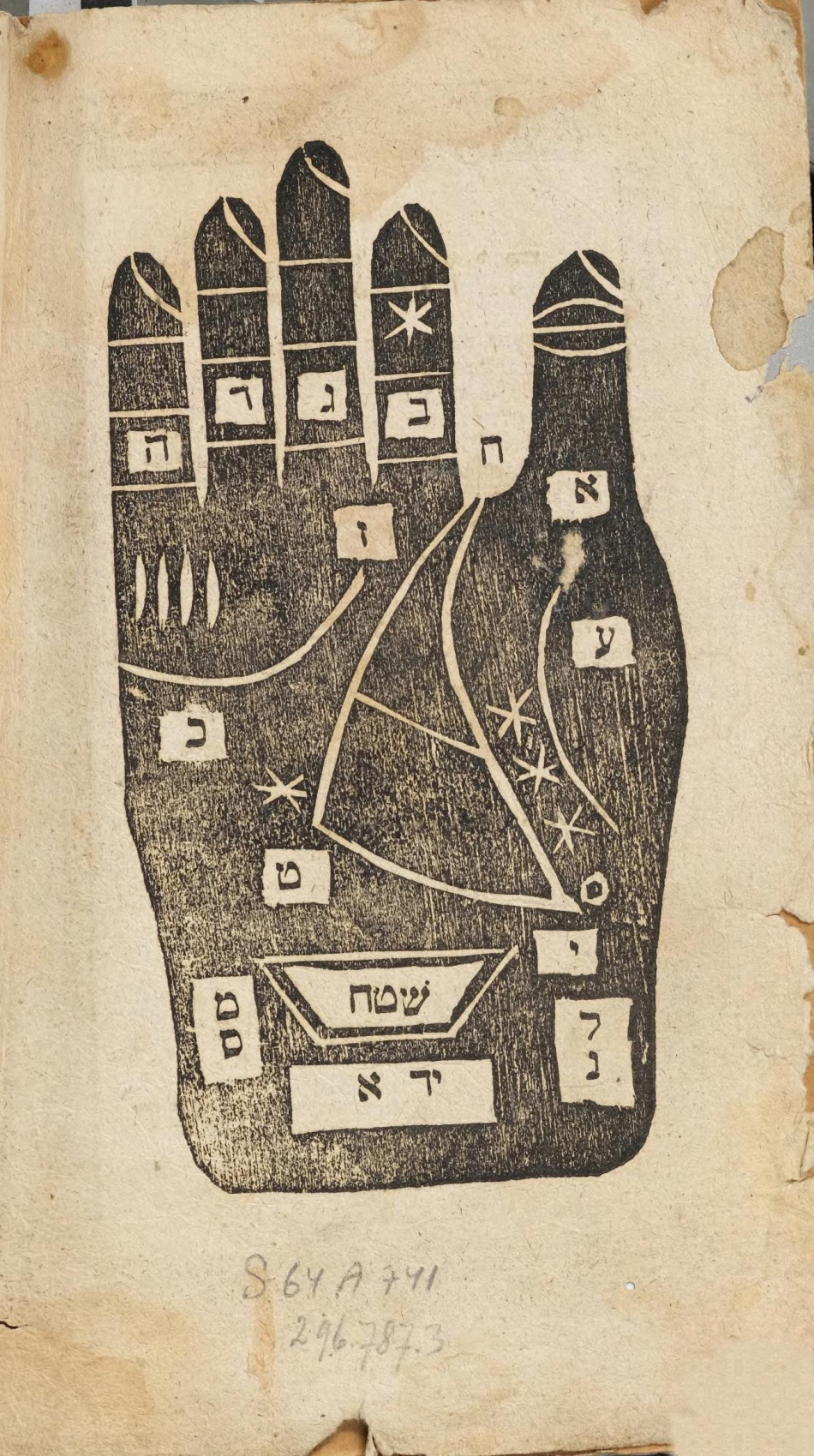
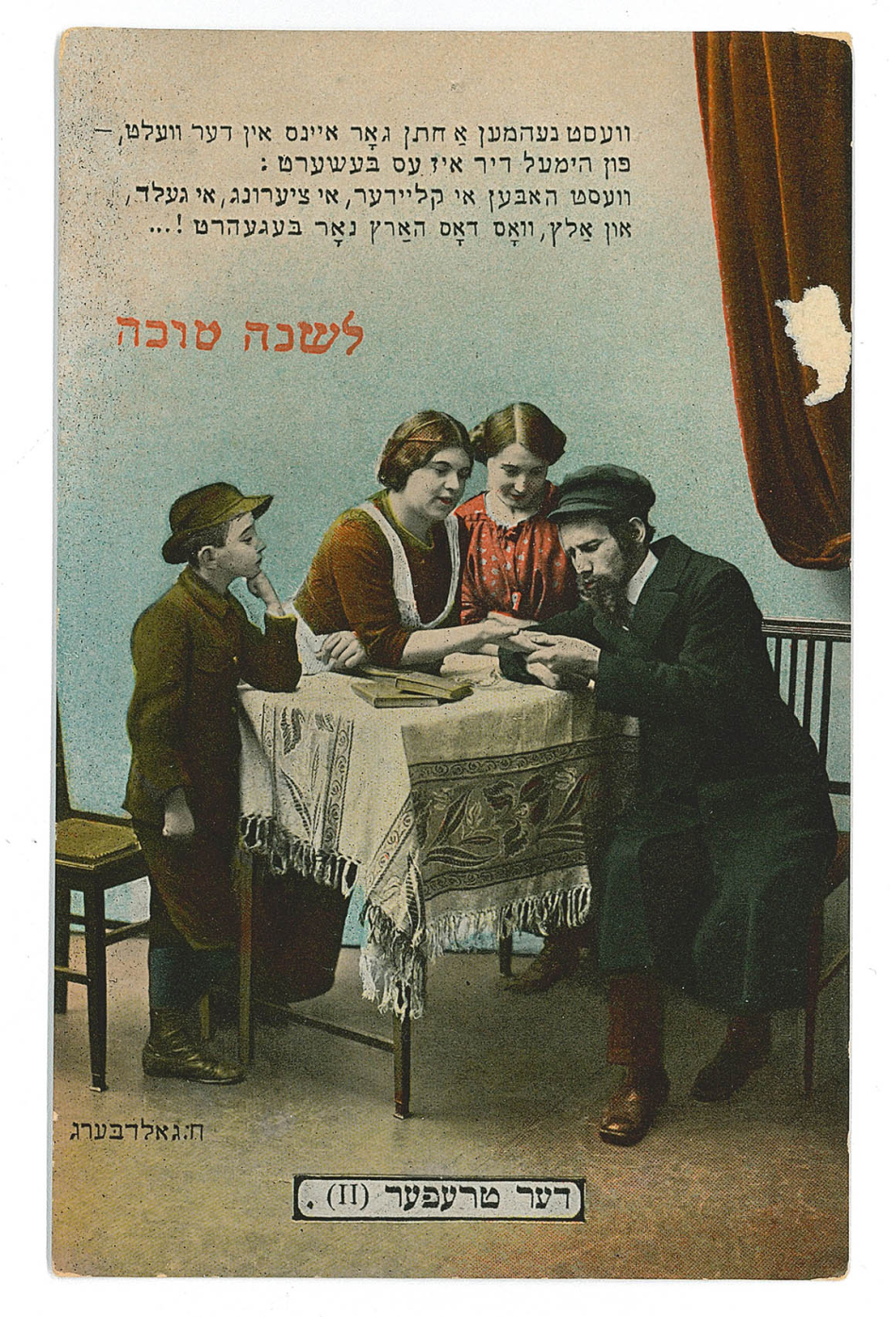
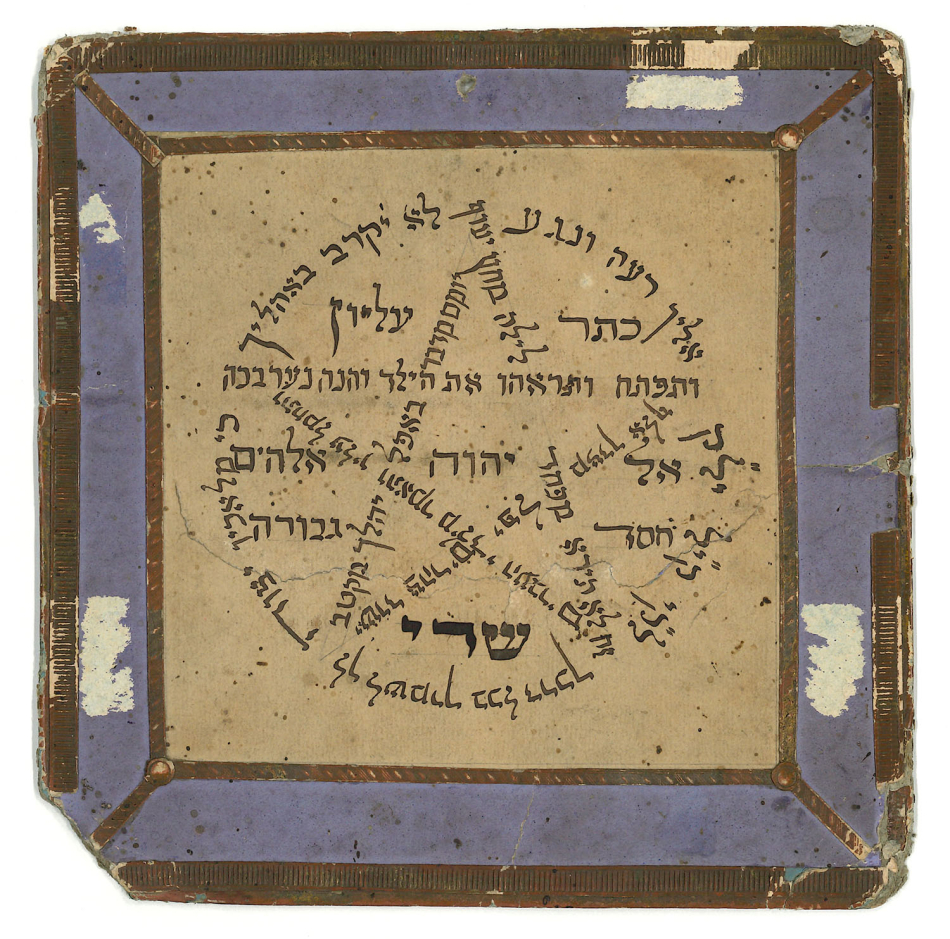
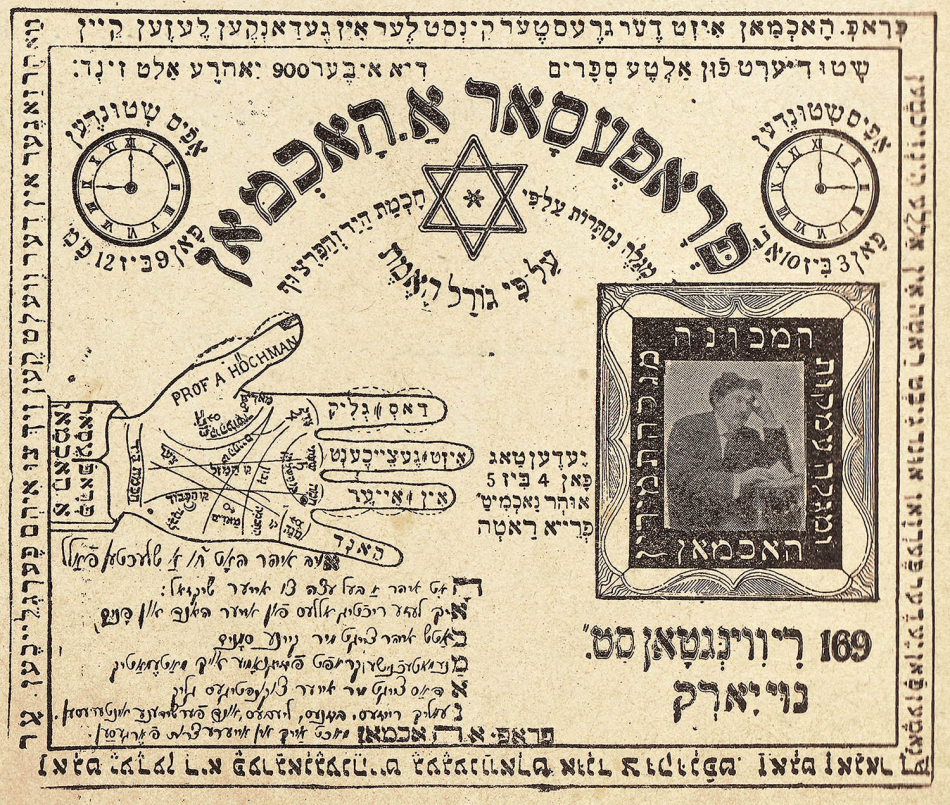
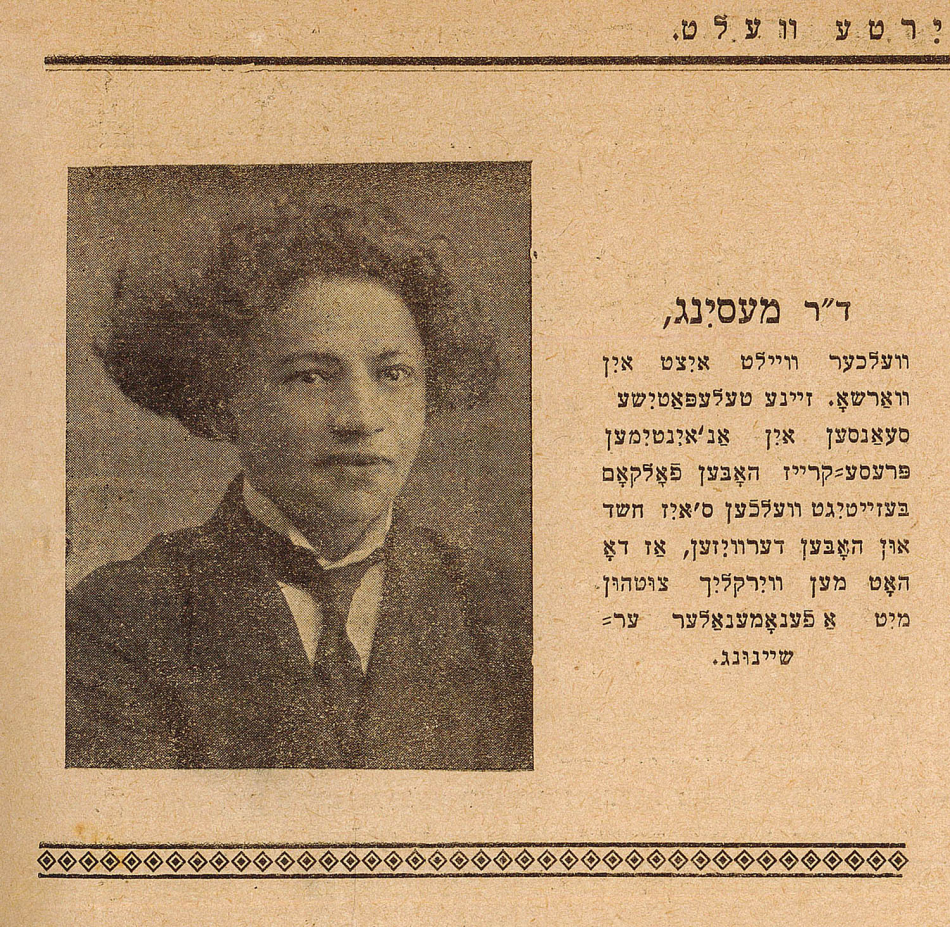
Occult practices have been a fascinating part of Jewish culture since the Biblical period. As Jewish diasporic cultures developed, they often absorbed occult traditions from their neighbors, complementing those that had long been a part of Jewish practice. A common cultural phenomenon worldwide, the dark arts have been a way for individuals to reach beyond official religion in an attempt to try to glimpse the future or protect themselves from malign forces. Jews engaged with the occult much like other peoples, while also developing distinctly Jewish variations—despite Biblical and rabbinic prohibitions.
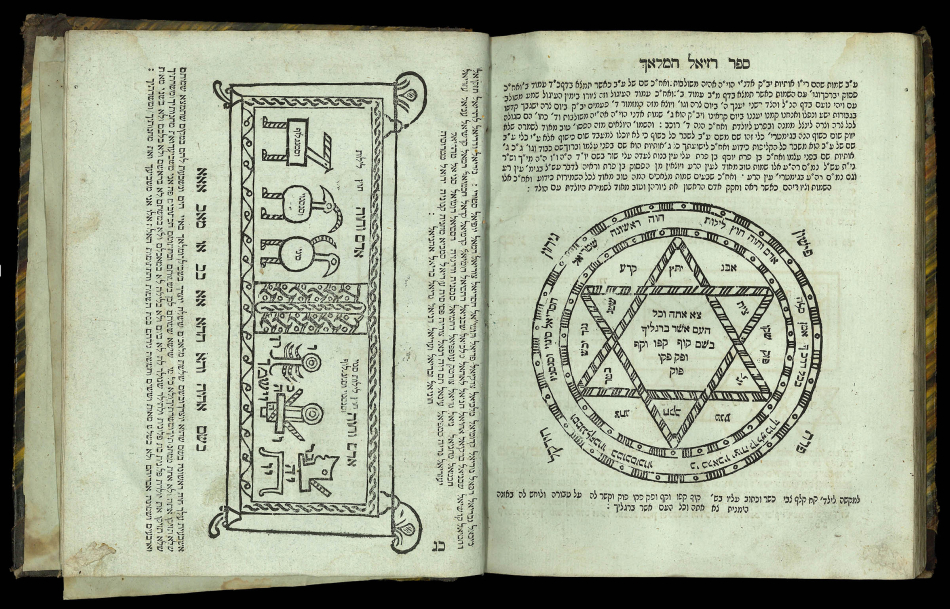
Although unsanctioned, magical elements have remained integral to Jewish folk culture. Rituals, incantations, and occult objects addressed the immediate concerns of daily life—illness, infertility, and unseen dangers believed to shape human fate. Pre-modern Jewish communities inhabited a world understood to be filled with invisible beings, where demons, angels, dybbuks, and the evil eye were active forces, and where the boundaries between the natural and supernatural were porous.
Language, texts, and ritual objects formed key defenses. Sacred Hebrew names were believed to hold power; amulets, inscriptions, and prayers could compel or ward off supernatural forces. As a result, acts of devotion could also function as protection, and objects like mezuzahs and charms operated simultaneously as religious artifacts and magical tools, reflecting a world in which religion, superstition, and everyday practice were deeply intertwined.
Bloomberg Connects – A Free Digital Museum Guide

Engage more deeply with the exhibition, as well as with YIVO’s history and collections, on Bloomberg Connects, the free arts and culture app.
Scan, click, or tap the QR code to view in your browser or download the free app.